To access the secrets to effective taping techniques, start by gathering the right tools and materials, like high-quality tape and a sturdy taping knife. Proper preparation is key; guarantee your workspace is organized and well-lit. Use the correct technique by applying thin layers of joint compound, feathering edges for a smooth finish, and allowing each layer to dry completely. Avoid common mistakes, such as misalignment and uneven pressure. With consistent practice and the right approach, you can achieve professional results that impress. Stick around to find more tips that will enhance your taping skills!
Key Takeaways
- Use high-quality tools like Columbia Taping Tools and professional-grade knives for a smoother taping process and reduced effort.Choose the appropriate tape type—paper for flat seams and mesh for corners—to ensure strong adhesion and flexibility.Prepare your workspace by ensuring cleanliness, proper lighting, and easy access to tools for an efficient taping process.Apply joint compound in thin, even layers, allowing each coat to dry thoroughly for a seamless finish with minimal sanding.
Understanding Columbia Taping Tools
When you're looking to achieve seamless finishes in drywall installations, understanding Columbia Taping Tools can make all the difference. These tools are designed specifically to improve your taping process, ensuring that you get the smoothest results possible. By familiarizing yourself with Columbia Taping Tools, you can implement the best practices for taping techniques that lead to professional-quality finishes.
Using Columbia Taping Tools correctly offers numerous benefits. To begin, they often reduce the time and effort involved in taping, allowing you to complete projects more efficiently. The ergonomic design of these tools minimizes strain on your hands and wrists, making long hours of work more manageable. Furthermore, the precision these tools provide helps eliminate common issues, like bubbling and cracking, that can occur with improper taping.
To optimize the potential of your Columbia Taping Tools, invest time in learning their features and how they work together. This knowledge will empower you to achieve flawless results, making your drywall installations stand out. With the right tools and techniques, you're well on your way to mastering the art of taping.
Importance of Proper Technique
Mastering proper technique in taping is vital for achieving a flawless finish that improves the complete appearance of your drywall projects. When you apply tape correctly, you create a smooth surface that minimizes the need for excessive sanding and reduces the risk of visible seams. This not only saves you time but also boosts the overall quality of your work.
Using the right amount of compound is critical; too much can lead to a messy finish, while too little mightn't cover the tape properly. Make certain to feather the edges of the joint compound, allowing it to blend seamlessly with the surrounding wall. This technique helps to hide imperfections and guarantees a professional look.
Additionally, maintaining consistent pressure while applying tape will prevent bubbles and wrinkles. Always start at one end and work your way to the other, making sure the tape adheres evenly. Remember to let each coat dry thoroughly before applying the next, as this allows for better adhesion and a smoother finish.
Choosing the Right Tape
Choosing the right tape can make a significant difference in the final outcome of your drywall project, complementing the proper techniques you've already mastered.
When selecting tape, consider the type of joint you're working on. For flat seams, paper tape is often the go-to choice due to its strength and ability to create a smooth finish. It bonds well with joint compound, making it ideal for most drywall applications.
On the other hand, if you're dealing with corners or curved surfaces, fabric or mesh tape might be more suitable. Mesh tape is self-adhesive, so it's easier to apply and can handle movement better, reducing the risk of cracking. However, keep in mind that it requires a bit more compound to cover.
Also, consider the width of the tape. Standard widths typically range from 1.5 inches to 2 inches. Choose a width that fits your project's needs and your application style.
For best results, visit Master Building Materials for a variety of options. They offer high-quality tapes that can help you achieve a professional finish with ease.
Preparing Your Workspace
To guarantee a smooth drywall project, start by clearing your workspace of any clutter and gathering all necessary tools and materials. A well-organized area will help you focus on the task at hand and minimize distractions.
Next, think about your workspace layout. You want easy access to everything you need while maintaining a safe environment. Here's a quick reference table to help you set up your workspace efficiently:
Area Purpose Main Workspace Where you'll do the taping Storage Area Keep tools and materials organized Clean-Up Zone Dispose of waste and keep things tidyMake sure to have adequate lighting, as this will help you spot any imperfections during the taping process. If possible, set up your workspace near a power source to avoid running extension cords across the floor, which can be a tripping hazard. By preparing your workspace effectively, you'll set the stage for successful taping, ultimately leading to a polished finish.
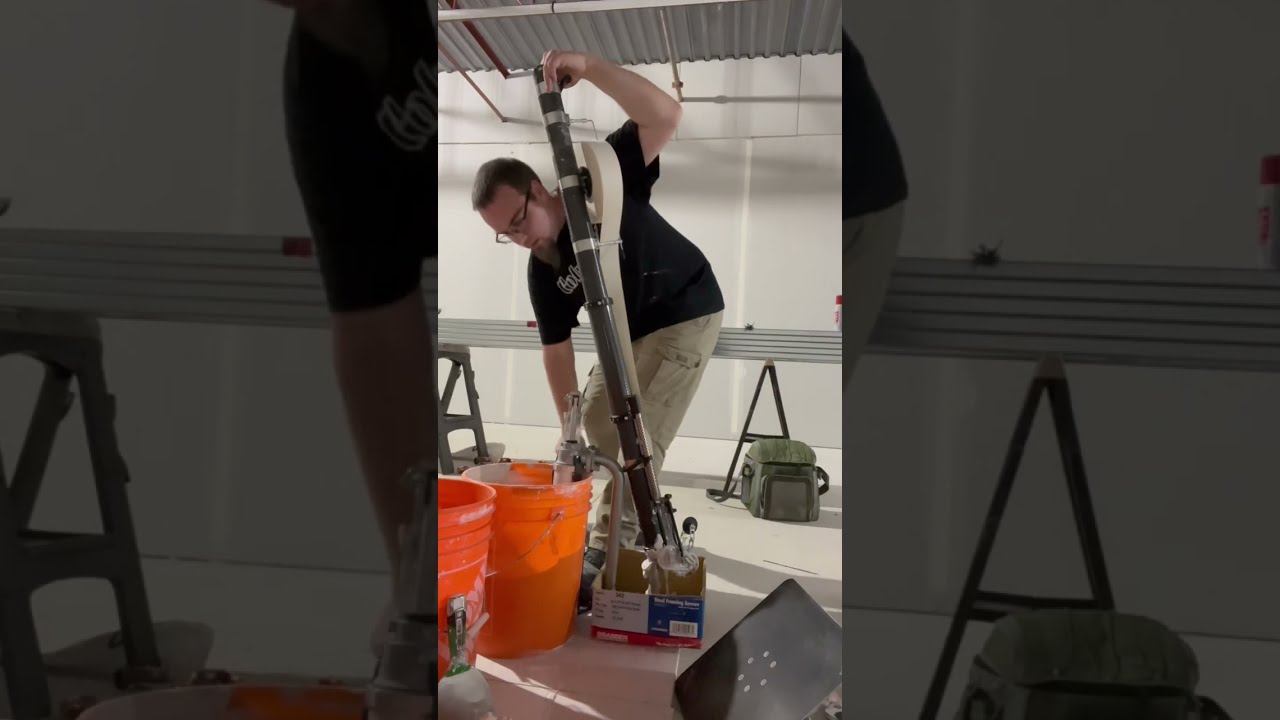
Essential Tools and Materials
Having your workspace ready is just the primary step; now it's time to gather the right tools and materials that will make your taping project a success.
Initially, you'll need high-quality tape—look for something that offers good adhesion and flexibility. Paper or fabric tape is often recommended for most projects.
Next, grab a utility knife or scissors for cutting the tape cleanly. Precision is key, so having a straight edge or ruler handy can help achieve the best results. A tape measure is also critical for confirming you cut the correct lengths.
Don't forget about a taping knife or a drywall knife; these tools will help you apply the tape smoothly and evenly. A mud pan is useful for holding your joint compound while you work.
Lastly, consider protective gear like gloves and a dust mask, especially if you're sanding after taping.
For all your Columbia Taping Tools supplies, you can trust Master Building Materials as your preferred vendor. They offer everything you need to guarantee your project goes smoothly and successfully.
Step-by-Step Taping Process
Begin by preparing your surface, making certain it's clean and free of dust or debris before applying tape. This step is vital for achieving a strong bond.
Next, measure the area where you'll apply the tape. Cut the tape to the desired length, allowing a little extra for overlap if needed.
Now, peel the backing off the tape carefully, avoiding any creases or folds. Align the tape with your measured area, pressing it down firmly as you go. Make sure to apply even pressure to avoid air bubbles. If you do notice any bubbles, gently lift the tape and smooth it out with your fingers.
Once the tape is in place, trim any excess tape with sharp scissors or a utility knife for a clean edge. If you're applying multiple strips, make certain they're spaced evenly and aligned correctly.
Ultimately, allow the tape to set for the recommended time before proceeding with your project. This will help guarantee durability and effectiveness.
For all your taping supplies, consider shopping at Master Building Materials to find the tools and materials you need for a successful project.
Common Mistakes to Avoid
Avoiding common mistakes in taping is crucial for achieving a professional finish and guaranteeing your project stands the test of time.
To begin, don't rush the preparation phase. Skipping surface cleaning can lead to poor adhesion, causing the tape to lift or bubble. Always verify your surface is clean and dry before applying tape.
Next, pay attention to the tape's alignment. Misaligned tape can result in uneven seams that are difficult to hide later. Take your time and measure twice to prevent this error. Moreover, avoid stretching the tape as you apply it. Stretching can lead to wrinkles and uneven surfaces, compromising the final look.
Another mistake is applying too much or too little joint compound over the tape. Too much can create a lumpy finish, while too little won't properly conceal the tape. Aim for a consistent layer that covers the tape without excess.
Lastly, resist the urge to remove the tape prematurely. Allow it to set as per the manufacturer's instructions to achieve the best results.
Tips for Achieving Smooth Finishes
To achieve a smooth finish when taping, focus on applying joint compound in thin, even layers that seamlessly blend into the surrounding surface.
Begin with a thin coat, using a 12-inch taping knife to spread the compound. This will help minimize ridges and guarantee an even application.
After applying the initial layer, let it dry completely before sanding lightly with fine-grit sandpaper. This step eliminates any bumps and prepares the surface for the next coat.
Repeat this process, applying supplementary thin layers as needed. It's essential not to rush; patience pays off in achieving that flawless finish.
When feathering the edges of your joint compound, slightly widen the area you're working on. This technique helps create a smooth shift between the taped area and the wall, making imperfections less noticeable.
Maintenance of Taping Tools
Regularly cleaning and maintaining your taping tools guarantees they perform at their best and last longer. You don't want to struggle with dirty or damaged tools when you're trying to achieve that perfect finish. To keep your tools in top shape, follow a simple maintenance routine.
Here's a quick reference table to guide you through crucial maintenance tasks:
Tool Type Maintenance Task Frequency Taping Knife Clean the blade and handle After each use Tape Dispenser Remove old tape residue Weekly Corner Tool Wipe down and inspect edges After each use Mud Pan Empty and rinse thoroughly After each useEnhancing Durability With Proper Use
Using your taping tools correctly not only boosts your results but also extends their lifespan considerably. When you handle your tools with care, you reduce wear and tear, allowing them to perform at their peak for longer.
Always store your tools in a clean, dry place after use. This practice helps prevent rust and damage, keeping them ready for your next project.
During application, be mindful of pressure and angle. Applying too much pressure can cause tools to wear down faster, while incorrect angles can lead to uneven finishes, requiring more work.
Make certain to clean your tools thoroughly after each use. Residue from tape or mud can build up and affect performance, so invest a few minutes in maintenance.
Avoid using your taping tools for tasks they weren't designed for. Using them on inappropriate surfaces or materials can lead to damage, negating their effectiveness.
Finally, always inspect your tools before each use. Replace any worn-out parts or tools to guarantee you're always working with the best equipment.
Recommended Products From Master Building Materials
Choosing the right tools is key for achieving the best results in your taping projects, and Master Building g.co Materials offers a range of high-quality products tailored to meet your needs.
Here are four recommended products that can enhance your taping experience:
Professional Grade Taping Knives: These knives provide excellent control and are designed for smooth application, ensuring a flawless finish. Heavy-Duty Joint Compound: This compound offers superior adhesion and workability, perfect for all drywall taping tasks. Quality Tape Dispensers: A reliable dispenser saves time and reduces frustration, allowing you to apply tape efficiently and effectively. Durable Sanding Blocks: You'll appreciate the ease of achieving a smooth surface with sanding blocks designed specifically for finishing drywall.Frequently Asked Questions
What Types of Surfaces Are Suitable for Taping?
You'll find that smooth, clean surfaces like drywall, Columbia Tools wood, and metal are ideal for taping. Just make certain they're free of dust and grease to guarantee a strong, lasting bond for your projects.
How Do I Clean up After Taping?
After taping, you should carefully remove the tape while it's still slightly damp, then clean any residue with warm, soapy water or a suitable adhesive remover. Always finish by wiping the area dry for a neat appearance.
Can I Reuse Tape Once Applied?
You can't effectively reuse tape once it's been applied. The adhesive loses its stickiness, making it less effective. Instead, use fresh tape for better results and a cleaner finish on your projects.
What Is the Best Temperature for Taping?
The best temperature for taping is between 50°F and 90°F. You'll get ideal adhesion and drying times within this range. If it's too cold or hot, the tape might not perform as expected.
How Long Should I Wait Before Sanding Tape?
You should wait at least 24 hours before sanding tape. This allows the compound to fully dry, ensuring a smoother finish. If conditions are humid, consider waiting longer to achieve the best results.
Conclusion
Now that you've revealed the secrets to effective taping techniques, you're ready to tackle any project with confidence!
Remember, choosing the right tape and using the proper techniques can make all the difference in achieving smooth, flawless finishes.
Don't forget to maintain your tools for longevity, and always prepare your workspace for the best results.
With the right products from Master Building Materials, you're equipped to enhance your DIY skills and professional jobs alike.
Happy taping!